Outline Pack – Summary
Goal of the post (1–2 lines)
Help busy dads start a beginner home workout plan without equipment that feels doable, safe, and repeatable—without needing a gym, gear, or long sessions.
Search intent (1 line)
Informational + practical “how-to plan” (reader wants a ready plan they can start today).
Reader problem + promise (2 bullets)
-
Problem: “I’m out of shape, short on time, and I don’t have equipment—where do I even start?”
-
Promise: A simple, beginner-safe no-equipment full-body plan + a realistic weekly schedule that fits dad life.
Recommended target length
~1,800 words (matches your target and allows clear exercise guidance + schedule + progression).
Primary keyword note (alternatives if clunky)
The keyword is a bit long but usable. Close alternatives you can sprinkle naturally:
-
Beginner No Equipment Workout Plan
-
Home workout plan for beginners (no equipment)
-
At-home workout routine for beginners, no equipment
(Keep the original primary keyword in the H1 and at least a couple titles.)
Titles (5 options)
-
Beginner Home Workout Plan Without Equipment (Busy Dads, 15 Minutes a Day)
-
The Beginner Home Workout Plan Without Equipment: A Simple Full-Body Routine
-
15-Minute Workouts at Home: A No-Equipment Strength Routine for Beginners
-
Busy Dad Workout Schedule: A Beginner Full Body Workout You Can Do at Home
-
Start Here: A Beginner No-Equipment Home Workout Plan That Actually Fits Dad Life
Intent & Angle
Best angle for this keyword (2–4 lines)
Make it a “start-today” plan built for busy dads: minimal decisions, short sessions, and clear form cues. Emphasize consistency over intensity, and give a simple progression path so readers don’t get stuck doing the same easy workout forever.
What NOT to do (2 bullets: common beginner mistakes)
-
Doing random workouts daily with no plan (inconsistent results + higher chance of quitting).
-
Going “all-out” in week 1 (soreness, burnout, or sloppy form).
Suggested CTA placement (if {{cta_goal}} is given)
H2/H3 Outline (with notes)
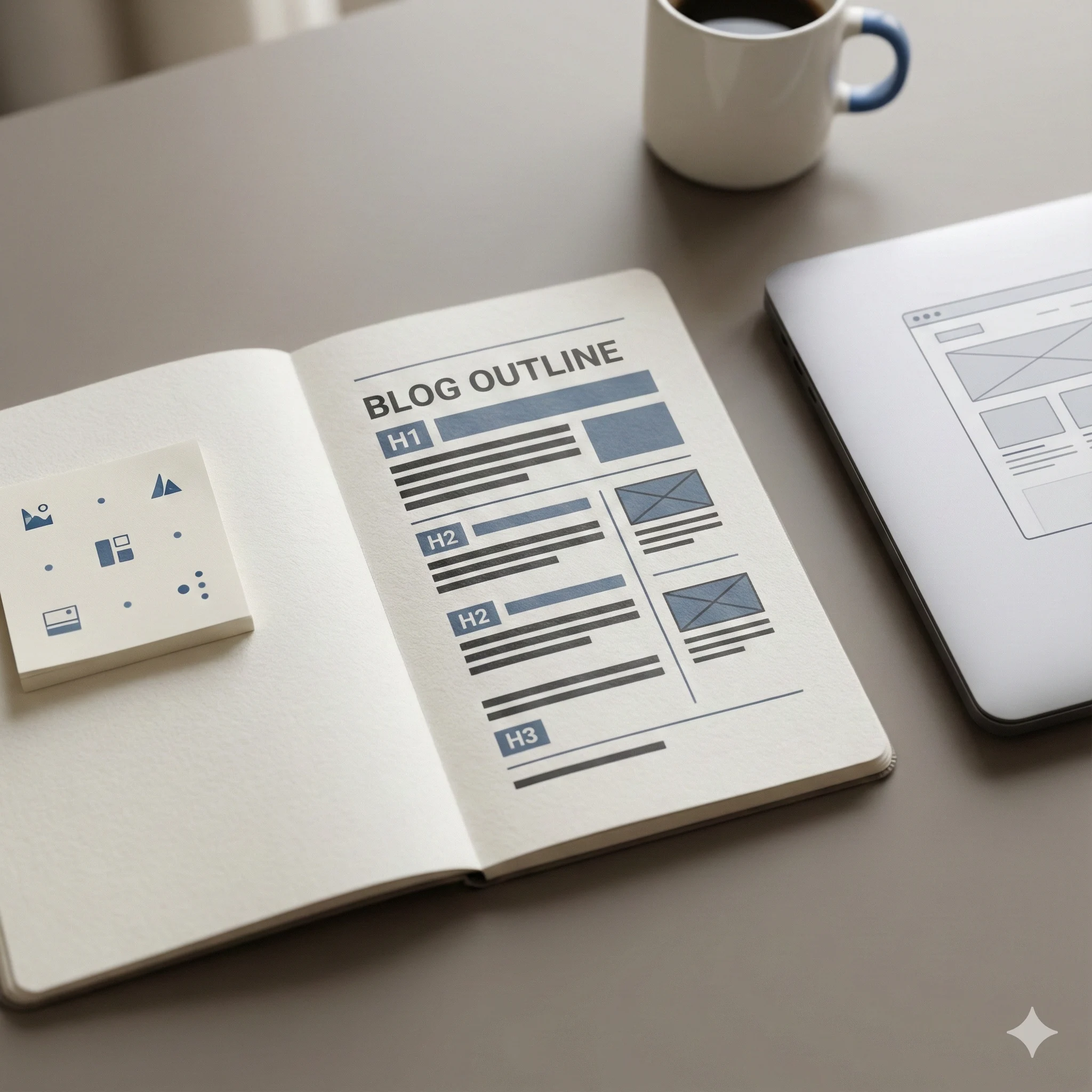
H1: Beginner Home Workout Plan Without Equipment (Made for Busy Dads)
H2: Quick start: what you’ll do each week (and how long it takes)
a) Section goal (1 line)
Set expectations fast so beginners feel confident starting.
b) Key points (3–6 bullets)
-
3 workouts/week, 15–25 minutes each (plus optional short “bonus” days).
-
Full-body focus: push, legs, hinge, core, carry (with bodyweight swaps).
-
You’ll rotate Workout A / Workout B so it’s not confusing.
-
What you need: a little floor space + a timer.
-
Example: “Mon: A (15–20 min), Wed: B (15–20 min), Fri: A (15–20 min).”
c) Suggested word count range: 140–180
H2: Before you begin: beginner safety + how hard should it feel?
a) Section goal (1 line)
Keep dads safe and prevent overdoing it in week 1.
b) Key points (3–6 bullets)
-
Use a simple effort scale: “You should finish with 1–3 reps left in the tank.”
-
Pain vs. effort: stop for sharp pain, modify for joint discomfort.
-
Focus on controlled reps, not speed.
-
If you’re returning after a long break, start with the “easiest version” for 1–2 weeks.
-
Example: “If push-ups hurt wrists, do incline push-ups on a counter.”
c) Suggested word count range: 150–210
H2: The 3-minute warm-up (do this every time)
a) Section goal (1 line)
Give a fast, repeatable warm-up that prepares joints and raises heart rate.
b) Key points (3–6 bullets)
-
30 sec easy marching in place (or step-ups on a stair).
-
5–8 bodyweight squats (slow).
-
5–8 hip hinges (hands on hips, feel hamstrings).
-
5–10 wall push-ups or scapular push-ups.
-
20–30 sec plank breathing (brace lightly).
-
Example: “Set a timer for 3 minutes and cycle once.”
c) Suggested word count range: 120–170
H2: Your beginner full body workout (No equipment strength routine)
a) Section goal (1 line)
Present the plan clearly: two workouts, simple sets, clear rest, easy substitutions.
b) Key points (3–6 bullets)
-
Explain format: circuit vs. straight sets (pick one beginner-friendly default).
-
Rest guidance: 45–90 sec between moves as needed.
-
Rep ranges + modifications (easier/harder).
-
Keep it “boring on purpose” (consistency beats novelty).
-
Example: “If you can’t hit reps with good form, use the easier version.”
c) Suggested word count range: 220–280
H3: Workout A (15–25 minutes)
-
Squat pattern: bodyweight squat/box squat to chair
-
Push pattern: incline push-up/knee push-up / standard push-up
-
Core: dead bug/plank
-
Glutes/hinge: glute bridge/hip hinge good-morning
-
Finisher (optional): 2 minutes brisk march + controlled breathing
H3: Workout B (15–25 minutes)
-
Lunge pattern: split squat, holding onto a wall / reverse lunge
-
Pull substitute (no equipment): towel is “equipment-ish,” so use bodyweight options
-
Core: side plank/bird dog
-
Posterior chain: single-leg glute bridge/hip hinge
-
Finisher (optional): 2 minutes step-ups or fast walk in place
(Keep exercise names simple and include 1-line form cues under each in the draft.)
H2: Technique cues for busy dads (so you don’t get hurt)
a) Section goal (1 line)
Give simple, memorable form cues for the big moves.
b) Key points (3–6 bullets)
-
Squat: “Chest tall, knees track over toes, sit to chair if needed.”
-
Hinge: “Hips back like closing a car door, neutral spine.”
-
Push-up: “Body in a straight line, hands under shoulders, slow down.”
-
Core: “Breathe behind the brace—don’t hold your breath the whole set.”
-
Example: “Record 10 seconds on your phone to check your form.”
c) Suggested word count range: 180–240
H2: 15 minute workouts at home (two fast versions)
a) Section goal (1 line)
Offer a time-crunch option that still follows the plan.
b) Key points (3–6 bullets)
-
Use a timer: 10 minutes main circuit + 3 warm-up + 2 cool-down.
-
Pick 4 moves only: squat, push, hinge/glutes, core.
-
Keep reps modest and form clean.
-
Example: “10-minute timer: do 6 squats, 6 incline push-ups, 8 glute bridges, 20-sec plank—repeat.”
c) Suggested word count range: 160–220
H3: 15-minute Workout A (fast)
H3: 15-minute Workout B (fast)
H2: Workout schedule for busy parents (simple weekly plan)
a) Section goal (1 line)
Make the plan plug into real life with clear “minimum” and “ideal” schedules.
b) Key points (3–6 bullets)
-
Minimum effective week: 2 days (A/B).
-
Standard week: 3 days (A/B/A then next week B/A/B).
-
Optional add-ons: 1–2 short walks or mobility sessions.
-
Best time slots: before kids wake, lunch break, right after bedtime.
-
Example: Provide a weekly table with “15-min” and “25-min” options.
c) Suggested word count range: 200–260
H2: Progression: how to get stronger without equipment
a) Section goal (1 line)
Show beginners exactly how to level up week-to-week.
b) Key points (3–6 bullets)
-
Progression order: form → reps → sets → harder variation → shorter rest.
-
“Double progression” example: hit top reps two sessions in a row, then level up.
-
When to increase difficulty (and when not to).
-
Example: “Incline push-up → lower the incline → knee push-up → standard push-up.”
c) Suggested word count range: 180–240
H2: Common beginner mistakes (and quick fixes)
a) Section goal (1 line)
Prevent drop-off by solving the predictable problems.
b) Key points (3–6 bullets)
-
Mistake: doing too much, too soon → fix: start lighter and leave reps in reserve.
-
Mistake: skipping warm-up → fix: keep it 3 minutes, non-negotiable.
-
Mistake: inconsistent schedule → fix: pick 2 “anchor days.”
-
Mistake: no tracking → fix: write reps/variations in phone notes.
-
Example: “If you miss a day, don’t ‘make it up’ with a 60-minute punishment.”
c) Suggested word count range: 140–200
H2: The “dad-proof” habit plan (so it actually sticks)
a) Section goal (1 line)
Turn the plan into a routine that survives kids, work, and low energy days.
b) Key points (3–6 bullets)
-
Use a “two-minute start” rule (just start the warm-up).
-
Keep workouts visible: shoes/mat ready.
-
Track wins: consistency streak, not perfection.
-
Pair workouts with an existing habit (coffee, lunch break, bedtime).
-
Example: “If energy is low: do the 15-minute version and call it a win.”
c) Suggested word count range: 160–220
H2: Get the free 7-day workout plan PDF (email signup)
a) Section goal (1 line)
Convert motivated readers with a clean, benefit-led CTA.
b) Key points (3–6 bullets)
-
Reinforce benefit: “printable, done-for-you, beginner-friendly.”
-
What’s inside: 7 days, A/B structure, quick substitutions, tracking sheet.
-
Micro-reassurance: “No spam, unsubscribe anytime.” (keep it simple)
-
Example: Short button copy: “Send me the 7-day plan.”
c) Suggested word count range: 80–120
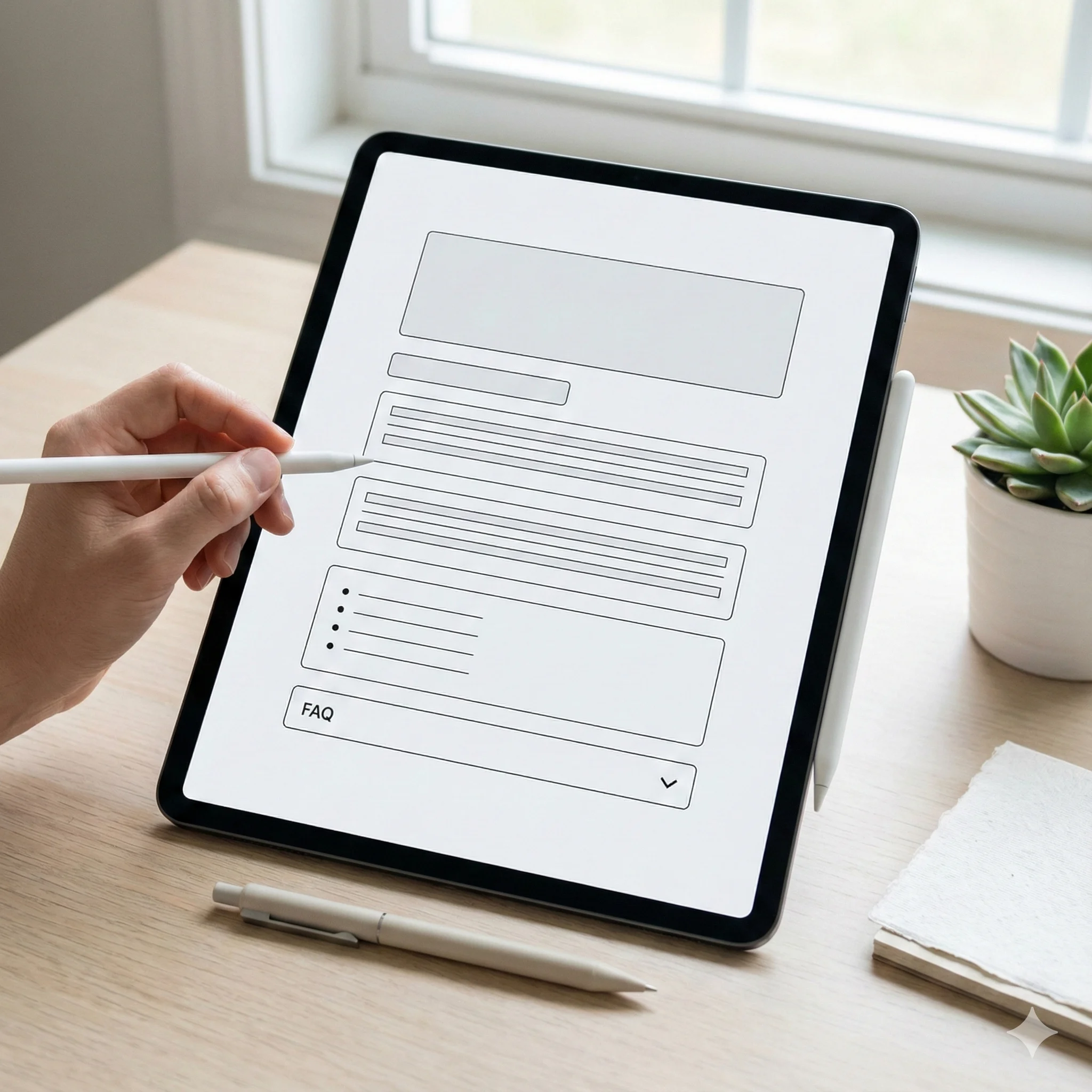
FAQ (3–6 questions)
-
How many days a week should a beginner work out at home?
Start with 2–3 days/week. Consistency matters more than adding extra days.
-
Can I build strength with a no equipment strength routine?
Yes—use harder variations, more reps/sets, and better control over time.
-
What if I only have 15 minutes?
Do the 15-minute version and keep the warm-up. Short workouts done often beat long workouts done rarely.
-
Should I work out every day as a beginner?
Not necessary. Rest days help you recover and keep form clean.
-
How do I know if the workout is too hard?
If form breaks early or you feel sharp pain, scale down and leave 1–3 reps in reserve.
Internal Links (Placeholders)
-
Anchor text: 10-minute mobility routine for tight hips and lower back
Link target (placeholder like {{internal_url_1}}): {{internal_url_1}}
Where to place it (section name): The 3-minute warm-up
-
Anchor text: Healthy meal prep for busy dads (simple high-protein basics)
Link target (placeholder like {{internal_url_2}}): {{internal_url_2}}
Where to place it (section name): The “dad-proof” habit plan
-
Anchor text: Beginner walking plan for fat loss (no tracking required)
Link target (placeholder like {{internal_url_3}}): {{internal_url_3}}
Where to place it (section name): Workout schedule for busy parents
WordPress Block Map (Gutenberg-friendly)
-
H1 (Post Title): Heading block (H1)
-
Quick start: Heading (H2) + Paragraph + Bulleted List + Table (optional mini schedule)
-
Safety + effort guide: Heading (H2) + Paragraph + Callout (pain vs effort)
-
3-minute warm-up: Heading (H2) + Numbered List + Callout (“Set a 3-minute timer”)
-
Workout A / Workout B: Heading (H2) + Subheadings (H3) + Table (exercise / reps / easier / harder)
-
Technique cues: Heading (H2) + Bulleted List + Callout (“Record 10 seconds of form”)
-
15-minute versions: Heading (H2) + H3 sections + Numbered List
-
Weekly schedule: Heading (H2) + Table (Mon–Sun) + Paragraph
-
Progression: Heading (H2) + Bulleted List + Callout (“Progression order”)
-
Common mistakes: Heading (H2) + Bulleted List
-
CTA section: Heading (H2) + Paragraph + Buttons block + (optional) short form embed block
-
FAQ: Heading (H2) + Accordion/Details blocks (or H3 + short paragraphs)
Quality Check (tick-box style)
-
Primary keyword appears in the H1 and naturally in key sections (without stuffing).
-
Outline matches intent: a real plan + schedule + progression (not generic tips).
-
Each H2 has a clear goal, actionable bullets, and a realistic word count range.
-
Beginner terms are explained (effort level, reps/sets, modifications).
-
No invented stats, studies, “research says,” or ranking promises.
-
Exercises include easier/harder options so true beginners can complete day 1.
-
Schedule includes “minimum” and “standard” versions for busy parents.
-
A 15-minute fallback is included to prevent skipping workouts.
-
CTA is placed right after the schedule (high motivation point) and repeated at the end.
-
Gutenberg blocks are simple: headings, lists, tables, callouts—easy to publish.
-
Tone stays friendly and practical (no fluff, no hype).